SPPE

History of St. Mary’s Basilica, Mulagumoodu

Seventh Basilica in Tamil Nadu and the first Basilica in Kanniyakumari District. (Kuzhithurai Diocese)

Brief history of the church

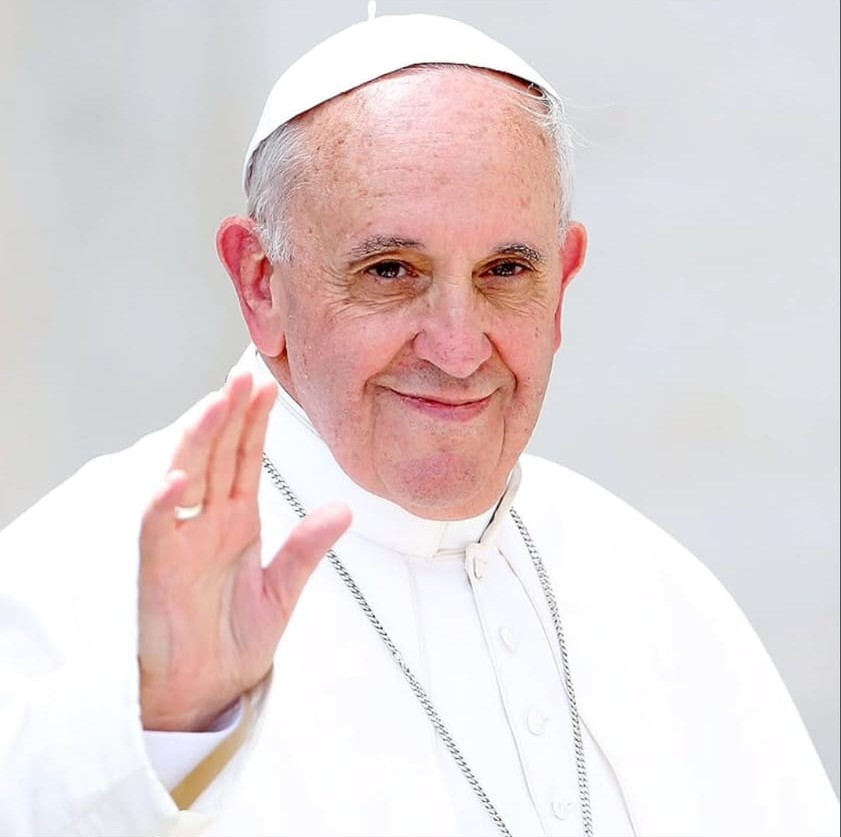
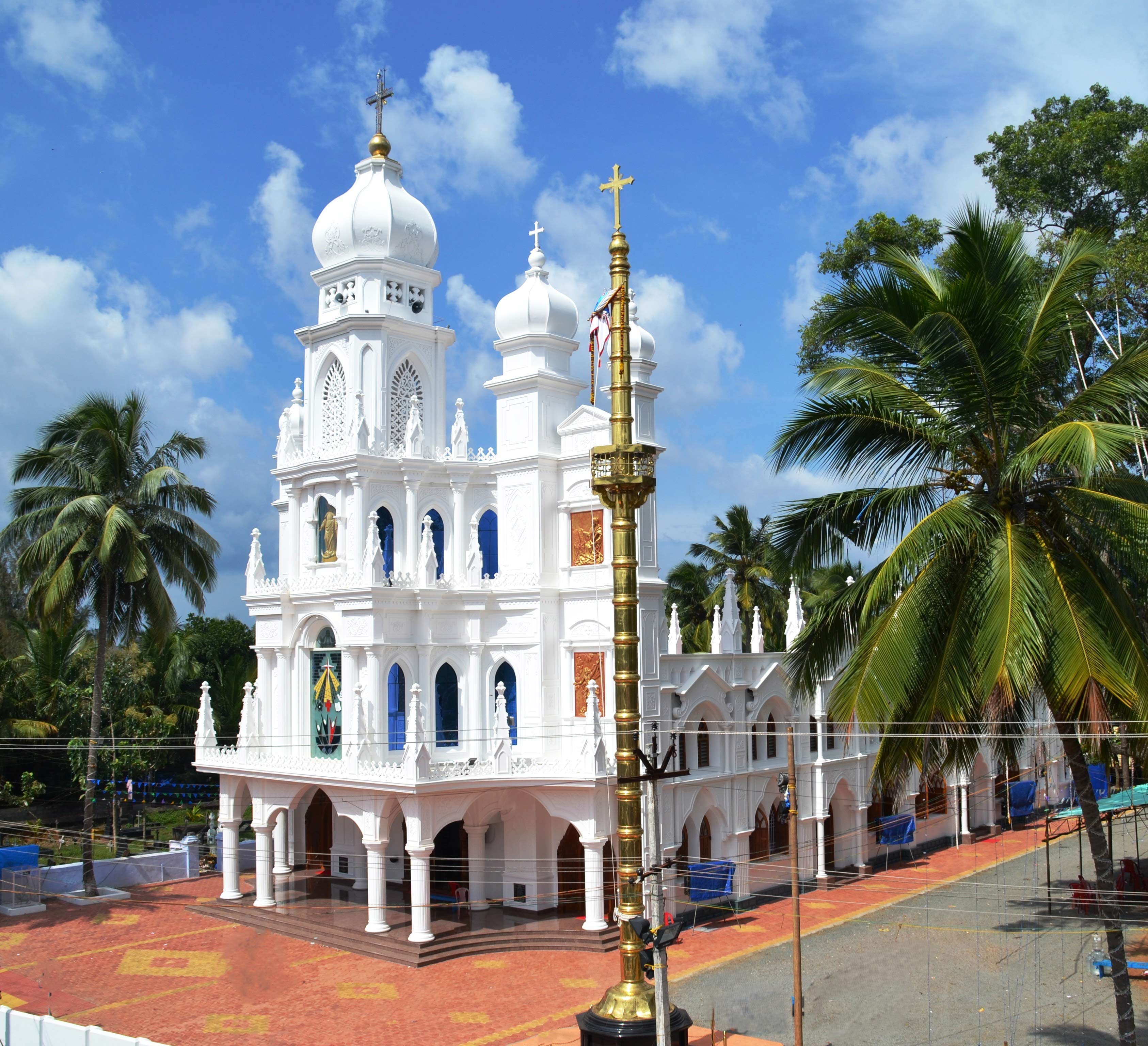
In Those days St. Mary’s church was recordically named as “Our Lady of Nativity Church”. But in usage the people of our parish called as St. Mary’s Church and is now in use. St. Mary’s Church has been upgraded as minor Basilica by Pope Francis in the Papal decree 162/20 dated 09-06-2020.

In those days Mulagumoodu was a remote Village, nothing special importance to point out. The name Mulagumoodu came from pepper (Milagu in Tamil) had been widely grown in and around Mulagumoodu. So, it is said that the name Mulagumoodu might have derived from the word Milagu. Most of the people in and around Mulagumoodu was farmers and Palmyra climbers.

Ancient History

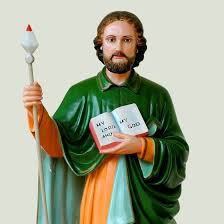
St. Thomas one of the twelve disciples of Jesus Christ came to India in 52 AD. He preached Christianity in Kerela and Tamil Nadu. He died as a Martyr in St. Thomos Mount, Chennai.

St. Francis Xavier a Spanish Jesuit missionary (1506 – 1552) came to India. He propagated Christianity throughout Malabar coast and baptized many people into Christian faith. He had stayed a few years in Kanniyakumari District. In the year 1544, he had built two churches one at Kottar and the other at Thiruvithamcode. (The old headquarters of Travancore)

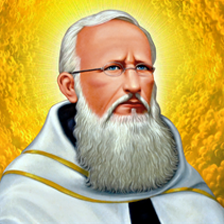
Fr. Victor OCD – 1834 – 1897

Fr. Victor was born on 19th June 1834 at Ypres, Belgium. His father was Louis Verlure and his mother was Virginie Eulalie Meersman. Fr. Victor had two brothers and one sister.

Rev. Fr. Victor OCD was the first Parish Priest of Mulagumoodu mission. He was known as the “Apostle of South India”.

At that time, Mulagumoodu was an unknown abandoned village, it was not a catholic village, though there were some christians here and there. Fr. Victor experienced some attractions at Mulagumoodu while he was passing this village. He started his missionary works putting his trust in Jesus Christ and Mother Mary, with the permission of his Superiors. In the year 1862, Fr. Victor purchased 40 acres (16 hectares) of land at Mulagumoodu for the future developments. God sent a trust worthy servant, his younger brother Fr. Eugeen. He came over to India to join his brother. Fr. Victor constructed churches and chapels in and around Mulagumoodu.

Fr. Victor higher offices

Fr. Victor couldn’t limit his activities to his beloved Mulagumoodu. His superiors confident in the gifts given him and trusting his devotedness entrusted to him greater responsibilities. The Apostolic Vicar of Mangalore the Roman Congregation of propaganda appointed Fr. Victor as Apostolic Administrator of Mangalore in the year 1876.In the year 1891 Bishop appointed him as his Vicar General in Quilon. He was also a man of influence with the civil authorities, local as well as colonial. Notwithstanding these high offices, he remained well attached to his first love of Mulagumoodu. He returned to his own children of Mulagumoodu as soon as the other offices allowed him to return to his own.

Manavalan Parai Veedu

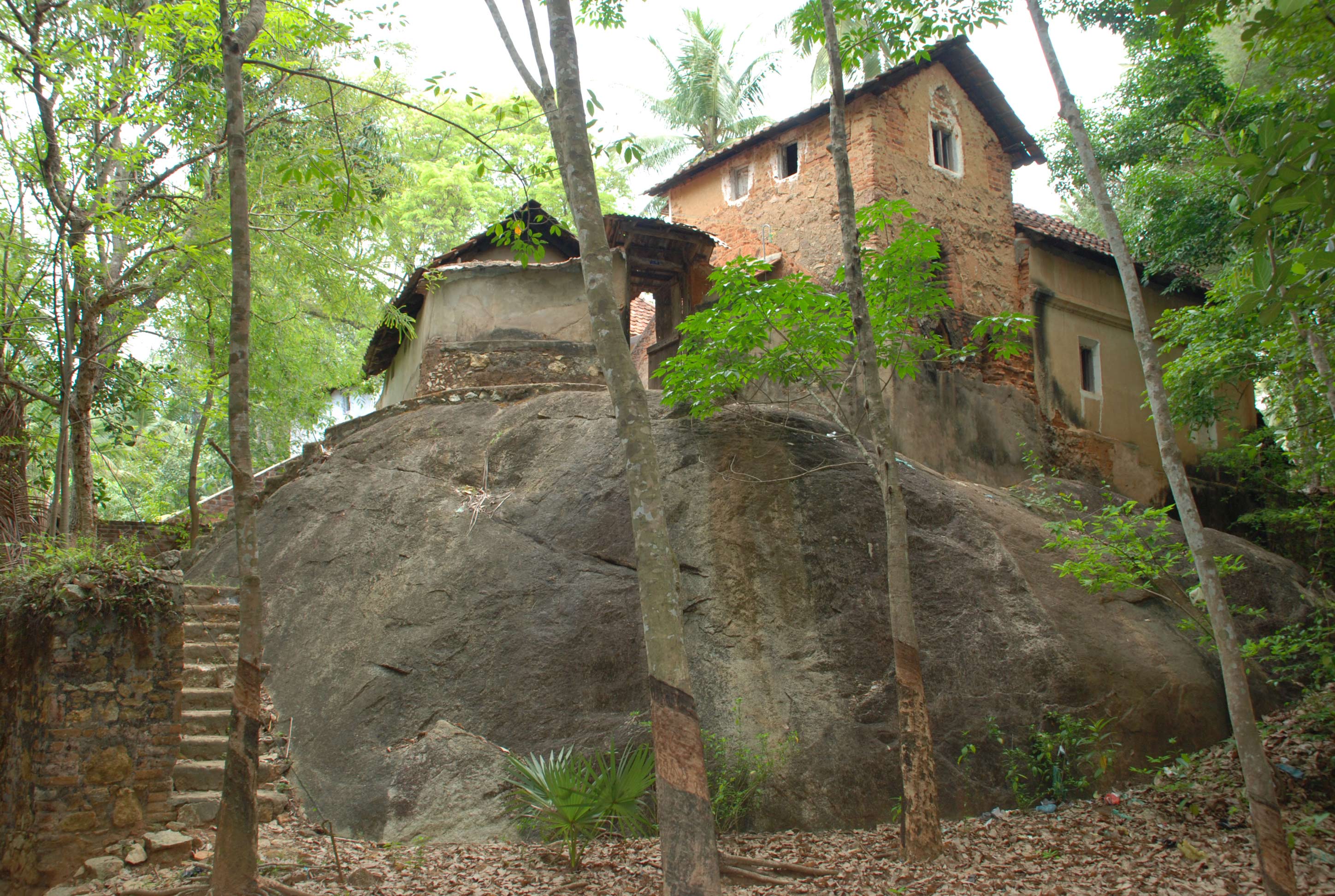
Bible says, that one who built his house in the rock is wise. Fr. Victor built a house on the top of a huge rock known as Manavalan Parai. The area of the rock is eighteen cents. A parochial house, a chapel and a bread and bun baking burner are there in this beautiful residence.

Fr. Eugeen Verlure tower

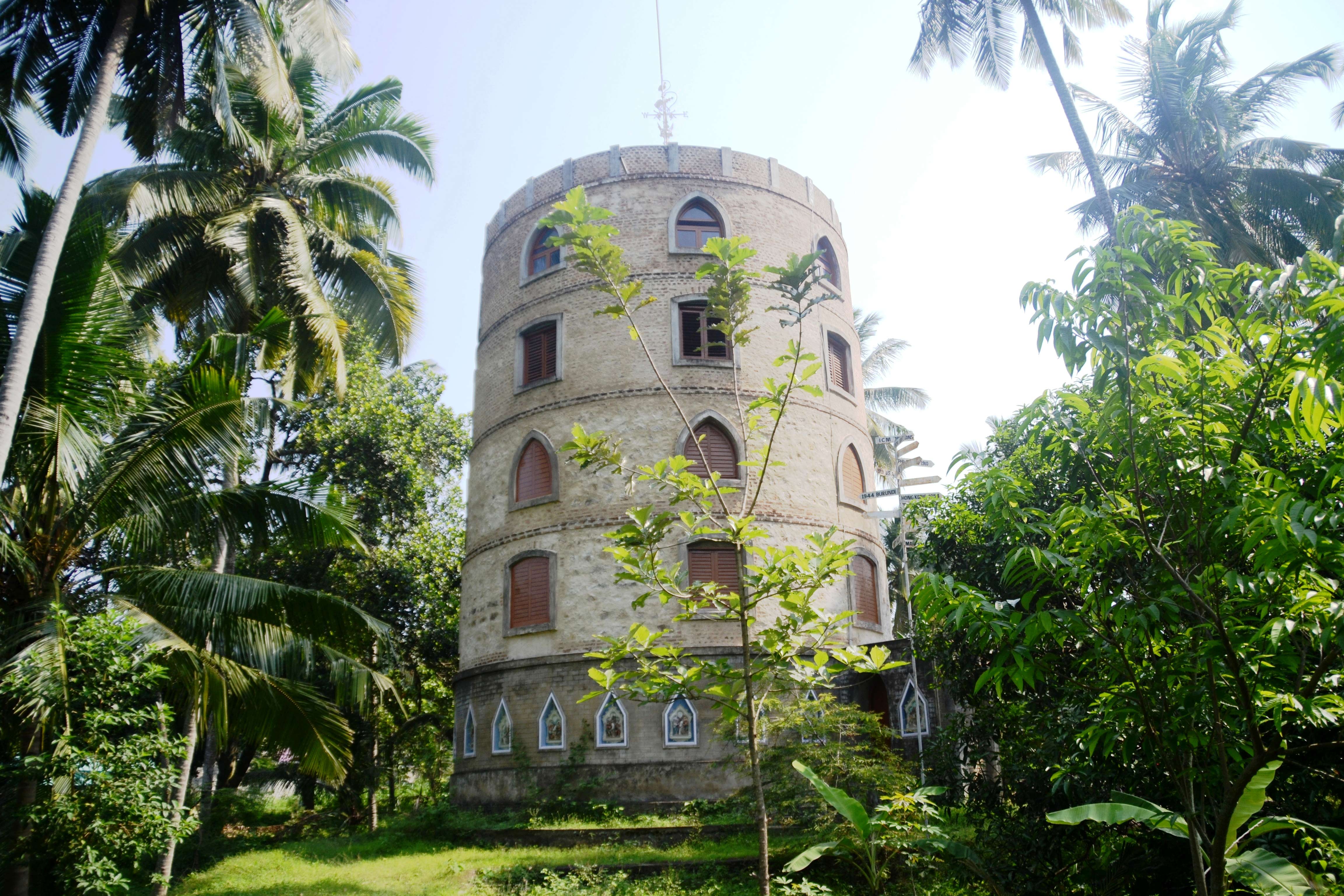
Fr. Eugeen was not only a good missionary but also a great architect. Without using cement and iron rods, Fr. Eugeen constructed a five-story tower on the plantation and fixed a lighting arrester which was bought from Europe. Fr. Eugeen was living in the tower. Fr. Eugeen was an enlightened and compassionate priest. Fr. Eugeen died on 3rd August 1905.

Carmelite minor seminary

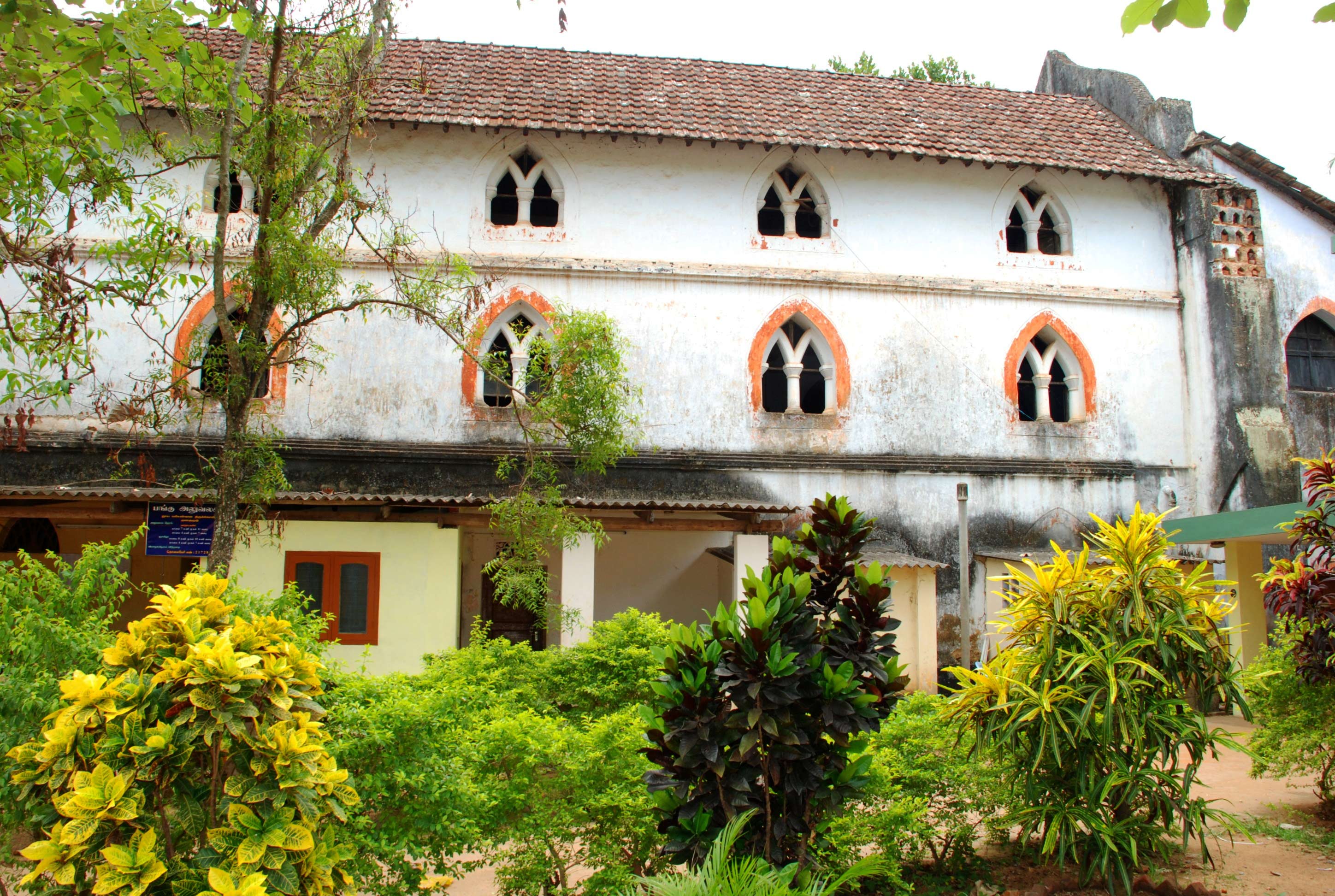
In the year 1864 Quilon Bishop Charles Hayacinth Vallerga OCD temporarily constructed a three-storey Carmelite minor Seminary in Mulagumoodu, St. Mary’s church campus. Fr. Eugeen was a professor in the minor seminary. He was proficient in English and German. In the year 1865, Quilon Bishop Marie Ephrem Garrelon OCD shifted this minor seminary from Mulagumoodu to Thangasery, Kollam.

Infant Jesus Orphanage

In the year 1862 and 1888 people were affected by the severe epidemic of Cholera. In those days no medical specialties as to-day, many people died of this disease. The epidemic deaths increased the number of orphans and destitutes. So, Fr. Victor started orphanages for abandoned boys and girls separately. They were given basic education and training in various jobs such as masonry, carpentry, metal works, brick laying and lace works. Fr. Victor was called “Father of Orphans”.

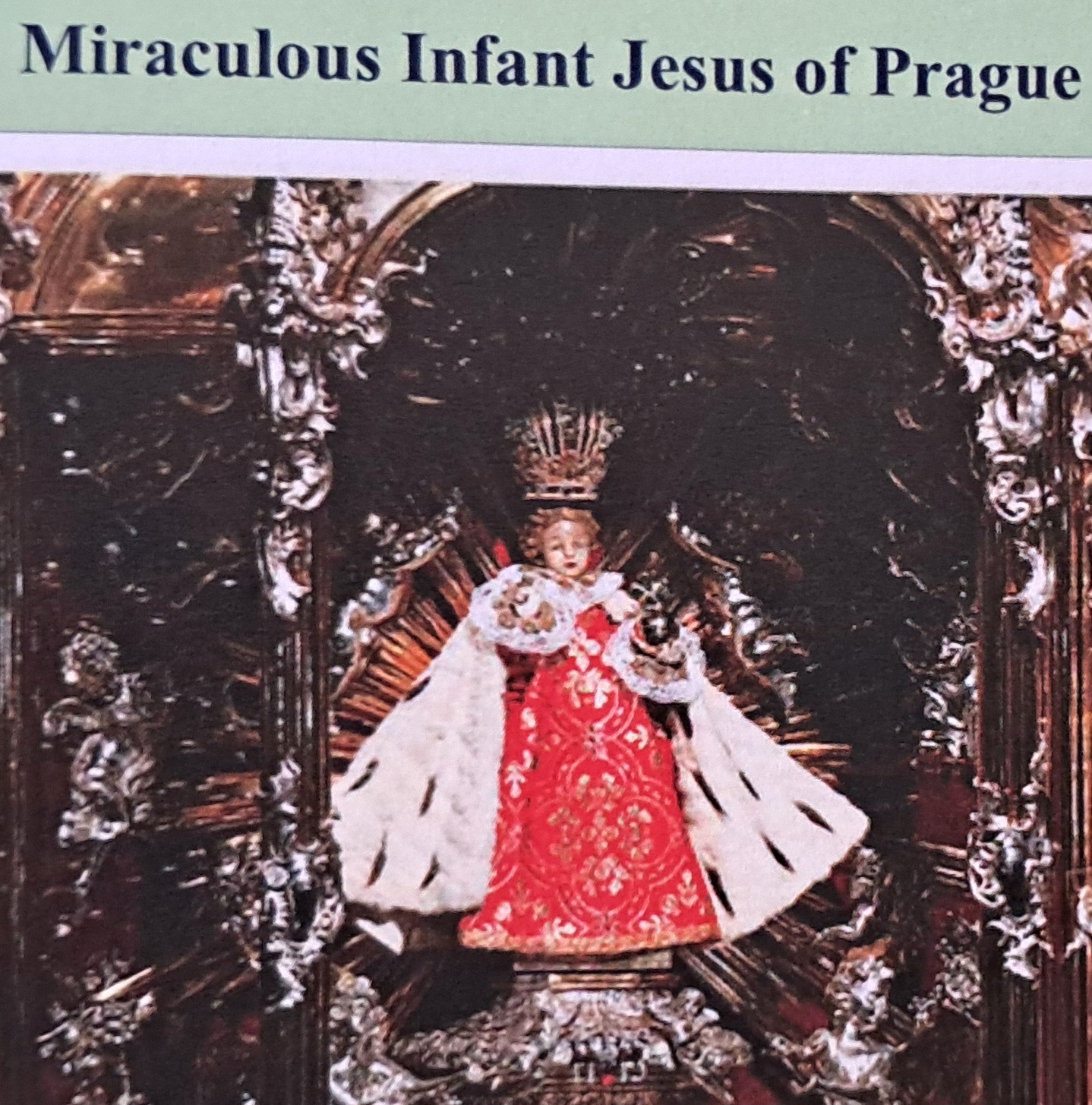
The Miraculous Infant Jesus of Prague

On the request of Sr. Marie Louis De-Meester, some Belgium, Iyper ladies have donated a beautiful wooden Miraculous Infant Jesus of Prague statue to Mulagumoodu Orphanage. It reached Kollam on January 1895. Fr. Victor got this beautiful statue from the Bishop of Kollam and installed in the Mulagumoodu orphanage in the presence of Kollam Bishop Ferdinand Ossi.

Orphanage tile works

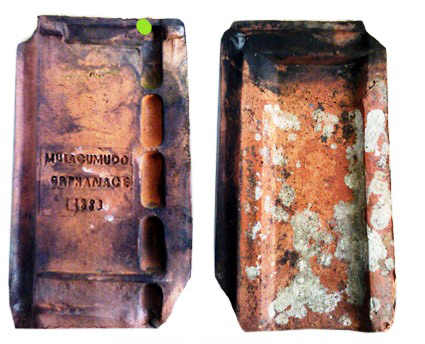
In Order to get revenue to the orphanage and for the economic upliftment of the orphans, Fr. Victor started a roof tile factory at Mulagumoodu on 1883 in the land he bought. A Ceylon man Paul Fernando was sent to Mangalore to study tile making. In those days, only upper caste people were allowed to live in tile roofed houses. Fr. Victor broke this old custom and allow all people to get their houses tiles roofed. He brought a great social reform among the people through his revolutionary spirit.

Founder of the Convent

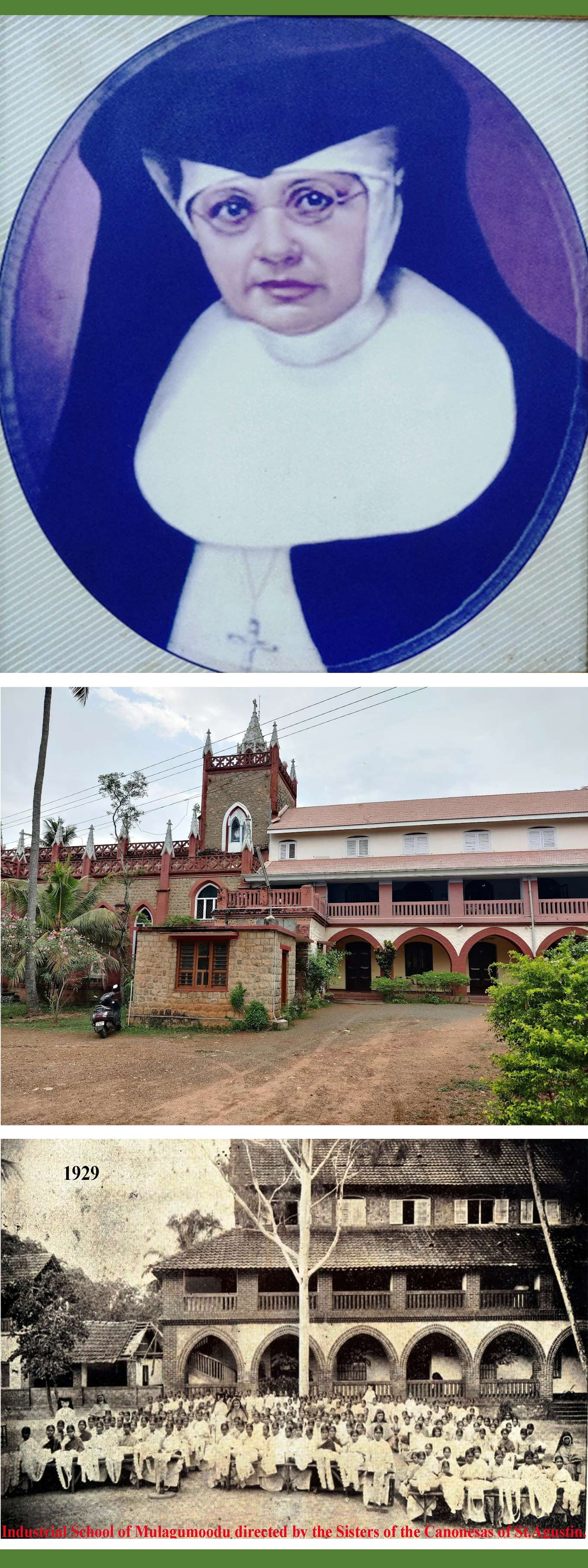
The good administration of his orphanages and service to the women folk demanded the service of some religious sisters. Fr. Victor arranged to have the services of the Order of St. Augustinian sisters from Belgium. In 1891, the foundation stone was laid for the Orphanage and it took about six years to complete. Fr. Victor and his brother Eugeen themselves worked as masons and carpenters. Fr. Victor invited Sr. Marie Louise De- Meester and Sr. Marie Ursule from Belgium to take possession of two sisters reached India on 07-11-1897 the founder Fr. Victor was no more to receive them.

Death of Fr. Victor

Fr. Victor was strong in his health. Hence nobody thought of losing him so quickly. One day while giving direction for the construction of a new church at Mulagumoodu all of a sudden, he collapsed with cerebral stroke. He was taken to Kollam for treatment, but all in vain. On 27th June 1897 Sunday he breathed his last. “I your dying soldier salutes you Christ Jesus” were his last words. Jesus accepted the salute of his brave soldier and took with him. According to his own will he wrote, on the following day the body was taken to Mulagumdoodu. From Kollam to Thiruvanthapuram in Vallam (Country boat) and from Thiruvanthapuram to Mulagumoodu by bullock cart, changing the bullocks every 7 miles. On 30 th June 1897 11.30 am Wednesday his mortal remains laid to rest inside St. Mary’s church, Mulagumoodu which he himself built. There were huge crowd all in tears took part in the funeral.

Fr. Victor was a man of jovial character, a will of steel, a golden heart and everything adorned with sincere piety

After the death of Fr. Victor, Fr. Donatien the companion of Fr. Victor became the successor of Mulagumoodu mission

St. Mary’s Church renovation works

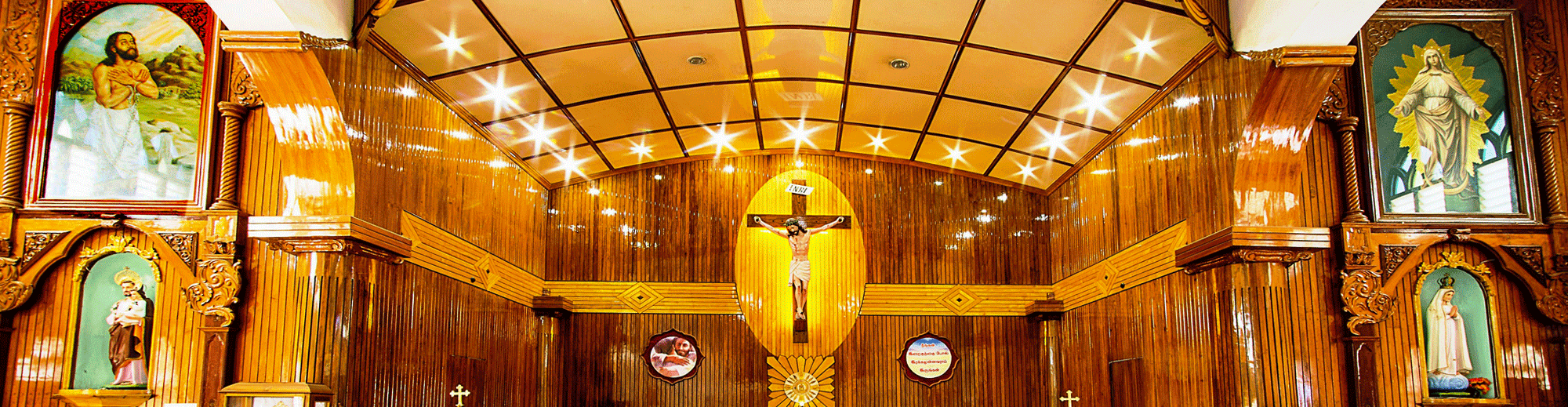
The roof tiled church construction works started in the year 1910 and completed in 1912. The concreate roofed church renovation on 04-09-1981. The present church was renovated on 05.09.2014. St. Mary’s church bell was brought from France in the year 1891 by Fr. Victor. St Mary’s statue which was made of single piece of wood was also brought from Belgium by Fr. Victor. The great and famous painting of St. Mary’s 8 feet X 4 feet size which as at the right side of the altar, presented by Aloysius Marie Benziger, Bishop of Kollam in the year 1914 during the church alter blessing. The first church flag staff made of round granite stones and lime sand was donated by P. Cruz Micheal contractor, Mulagumoodu in1932. The present church renovation on 05-09-2014. The present 53 feet flag staff was donated by JVS family, Mulagumoodu in 2012. The first recognized portrait painting of St. Devasahayam which is at the left side of the altar was painted by the artist B.K. Cangan from Kanniyakumari in the year 2008.

Immaculate Cordia Mary (ICM)

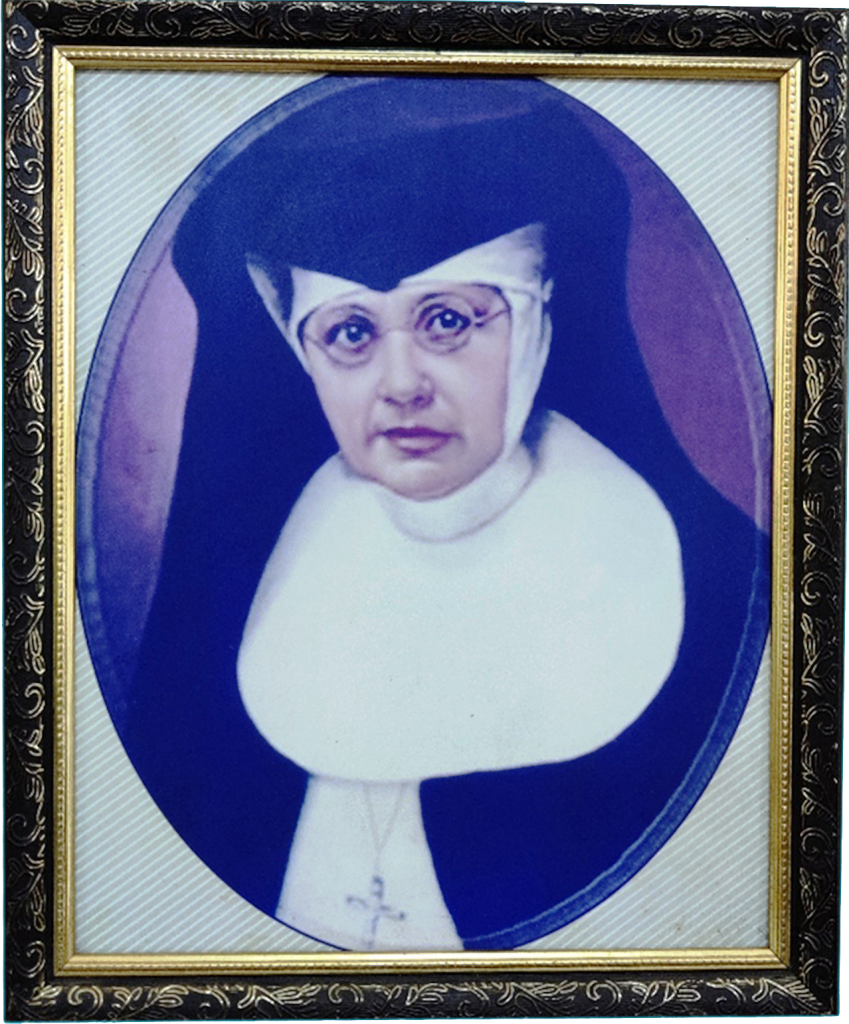
Sr. Marie Louise De- Meester loved to think that her initiation had begun in 1891 when Fr. Victor vividly pictured the orphanages in Mulagumoodu in his first letter. On the request of Fr. Victor, after a few years Sr. Marie Louise De- Meester and Sr. Marie Ursule left Belgium to India. They landed Aleppy via Singapore on 16th Oct 1897 and from Aleppy in a fishing boat they reached Quilon on 20th Oct 1897. From Quilon, they went to Thiruvananthapuram. After a few weeks stay at Thiruvananthapuram, they started to Mulagumoodu on 6th Nov 1897 in bullock cart by changing the oxen on every seven miles and reached Mulagumoodu on 7th Nov 1897. Their journey was very tedious.

As they reached the grounds of the mission, a little girl gave to Sr. Marie Louise De-Meester the keys of the orphanage. In the Orphanage there were inmates ranging in age from a few days to adolescence. As it was, some of the grown-up girls had stayed on to help Ignatia and Philomina, who had taken care of the children ever since Fr. Victor began the Orphanage in 1868

The sisters provided food to children. Gave them good education. The abandoned children were healthy and happy in the orphanages. They also gave medical aid to the Orphanage inmates and the public too. Bishop of Quilon Ferdinand Ossi extended all necessary help to the sisters, In the year 1911 Marie Louise De- Meester purchased the “Land of providence” nearly 15000 rupees. The sisters maintained the plantation very well and it was very beautiful.

The Immaculate Cordia Mary (ICM) foundress Sr. Marie Louise De – Meester wrote the constitution of the Congregation in the year 1907. But only on 1st October 1926 the final text of the constitutions had received the papal sanction.

The ICM sisters enlarged their congregation in many parts of India. Not only in India their service was in Asia, Africa, America and in Europe. Their dedicated and sincere service in the name of Lord Jesus Christ is highly commendable.

On 6th December 1918 Sr. Maria Louise De- Meester and her companion bid farewell to all at Mulagumoodu. It has been reported, that the foundress wept and said to a group of Indian sisters that, “How I wish could be back with you some day, but I am afraid that this will not happen. Pray for me, we will meet in heaven”.

After going to Belgium, she continued the missionary service. On October 10, 1928, dawned ominously after night of acute discomfort to Sr. Marie Louise De-Meester. She lay there, speechless and motionless. At four O’clock, she peacefully made the final ascent to God. Even though she died, her eyes remained beautifully alive seeing our Lord Jesus Christ
Prepared by

Fr. Victor Museum committee,

St Mary’s Basilica, Mulagumoodu